An ancient Eastern European-inspired kingdom of perpetual winters, black pine forests, silver rivers and snow-covered mountain ranges. Though outwardly magnificent — with glittering palaces, disciplined armies and centuries-old noble houses — it is deeply superstitious and slow to change. Duty outweighs desire, reputation is everything, and tradition is treated almost as law.
The ruling dynasty has held the Winter Throne for over seven centuries, governing from Shizvara Palace — a pale stone fortress of purple-black domes, silver spires and frost-glass windows that rises above the capital like a crown over snow. The House's longevity is attributed not merely to military strength, but to the iron grip of tradition: those who rule Veleska do not merely hold power, they are power, embodied in ceremony, duty and an unbroken chain of obedience stretching back to the founding.
Veleska is a place where the outward world gleams — candlelit markets, fur-clad nobles, soaring onion-domed churches — while the inner world is governed by sacrifice. Every institution, from the Church to the Academy to the Choosing itself, demands something from those it touches. The crown must always win. The individual must always yield. Beauty and control are the two faces of the same coin.
Culture & Customs
Someone once ignored them and paid the price.
Veleskans believe every dream, coincidence and omen carries meaning. Old customs are followed by nobles and peasants alike — not because they are commanded to, but because the alternative is unthinkable. Tradition is not law; it is something older and stranger than law.
In Veleska, reputation is armour and ambition is kept close to the chest. The noble who displays too much personal desire is suspect. Sacrifice is worn like a medal — the more one has given up, the more one is trusted. This produces a culture of exquisite manners and quietly desperate private lives.
Folklore & Nature
Not myths. Not stories. Simply the way things are.
Folklore is not a collection of quaint stories in Veleska. It is the texture of reality. Foxes sometimes walk upon two legs when they believe no one is watching. Wolves sing ancient hymns beneath the full moon. Vilas — spirits of untouched rivers and old forests — reward respect and punish arrogance with equal impartiality. The ancient forests are not merely old; they watch.
Nature is revered rather than conquered. Rivers are greeted before crossing. Hunters offer thanks to the animals they take. Sacred groves cannot be felled without royal permission. Many lakes and mountains are understood to belong to ancient spirits older than mankind — older, perhaps, than the idea of ownership itself.
A vast, ancient forest where the trees grow too close together and the snow never properly melts beneath the roots. Villagers claim witches called Babreni live there in crooked huts, grinding children's bones into flour and sewing stolen teeth into their skirts. Most nobles dismiss this as peasant superstition.
Even royal hunters refuse to enter after dusk.
A wide frozen lake surrounded by fishing villages, pine hills and shrine-stones half-buried in snow. In winter, families cut holes through the ice for fishing, drink hot berry wine, and leave the first fish caught as an offering to the lake spirits.
Locals warn never to walk across it during a full moon. Drowned women are said to sing beneath the ice.
The Three Sisters
They do not ask for worship. They simply continue.
The Church of the Three Sisters is Veleska's organized religion — though much older pagan customs persist beneath it like roots beneath paving stones. The Church does not conflict with the old ways so much as sit above them, a more legible structure over a stranger, older world.
She spins the thread every soul begins with. Nothing enters the world without first passing through her hands. She is Fate — patient, absolute, unhurried.
She knots the thread through joy, suffering, triumph and grief. Every decision ties another knot. Every kindness strengthens the thread. Every cruelty frays it.
She alone carries the shears. She does not hate mankind. She simply finishes what her sisters began. Death, made tender by inevitability.
The Gift
Others call it, quietly, the Debt.
No one inherits magic with their titles. No one chooses it. Children simply awaken one day — usually between the ages of eight and twelve — and the world is no longer quite the same. Magic does not announce itself grandly. It arrives sideways, in wrongness, in things that should not be.
Once a child manifests the Gift, the Crown claims them immediately. They are taken to the Royal Academy of Saint Ysara, educated, monitored, and sworn into lifelong service. Magic belongs to Veleska, not to the individual who carries it. Graduates serve as healers, battle mages, advisors, investigators or monster hunters — wherever the Crown commands.
Academy of Saint Ysara
Magic exists not to serve oneself. It exists to protect Veleska.
Veleska's oldest magical institution overlooks Ivarin Lake. Its corridors have produced every royal mage, healer and investigator for seven centuries. Discipline is absolute. Students learn magical control, combat, diplomacy, theology and history. Every graduate serves wherever the Crown commands, for life.
The Academy is named after the legendary mage said to have sacrificed herself to destroy the largest Dark Seed in history. She became the patron saint of magic, duty and self-sacrifice. Every graduate swears the Oath of Ysara upon leaving.
"I am the shield before the dark. I am the flame before the cold. I am Veleska's, now and always."
Dark Seeds & Hollows
The earth tears open, and something comes through.
Occasionally the earth tears open into corrupted fissures — Dark Seeds. The origin remains unknown. Royal mages and soldiers are dispatched immediately whenever one appears.
Dark Seeds release monstrous creatures called Hollows. Each is unique — no two are alike, and none can be predicted. Some mimic humans with unsettling accuracy, speaking with stolen voices and borrowed faces. Others whisper familiar names from somewhere just out of sight. Many resemble impossible nightmares given weight and hunger.
The largest Dark Seed in recorded history was destroyed by Saint Ysara at the cost of her life. The Academy was built in her memory, and every mage trained within its walls exists, in part, because of what she gave up. The Seeds have not stopped appearing. They simply have not been that large again — yet.
The Choosing
Veleska's oldest royal tradition — and its most watched.
Every generation, when the Crown Prince comes of age, Veleska holds The Choosing — a formal selection to determine his future bride and Veleska's future queen.
- Each Great House may nominate one unmarried daughter
- Candidates are typically between 18 and 28
- Lineage, manners, and political value matter as much as beauty
- Candidates reside at the Winter Palace
- They attend balls, lessons, dinners, and public ceremonies
- Every gesture is watched, judged, and remembered
- Diplomacy
- Grace & Etiquette
- Education & History
- Leadership
- Devotion to the Three Sisters
- Public Favour
The prince may favour whom he pleases, but he does not choose alone. The Queen Mother, the Royal Council, and the High Priest all shape the final decision.
- The winner becomes the future queen of Veleska
- The others return home with greater political value
- One scandal can ruin a candidate overnight
In Veleska, a crown is never only a prize —
sometimes it is a sacrifice.
Characters
Everyone in Veleska is wearing a mask. Some fit better than others.
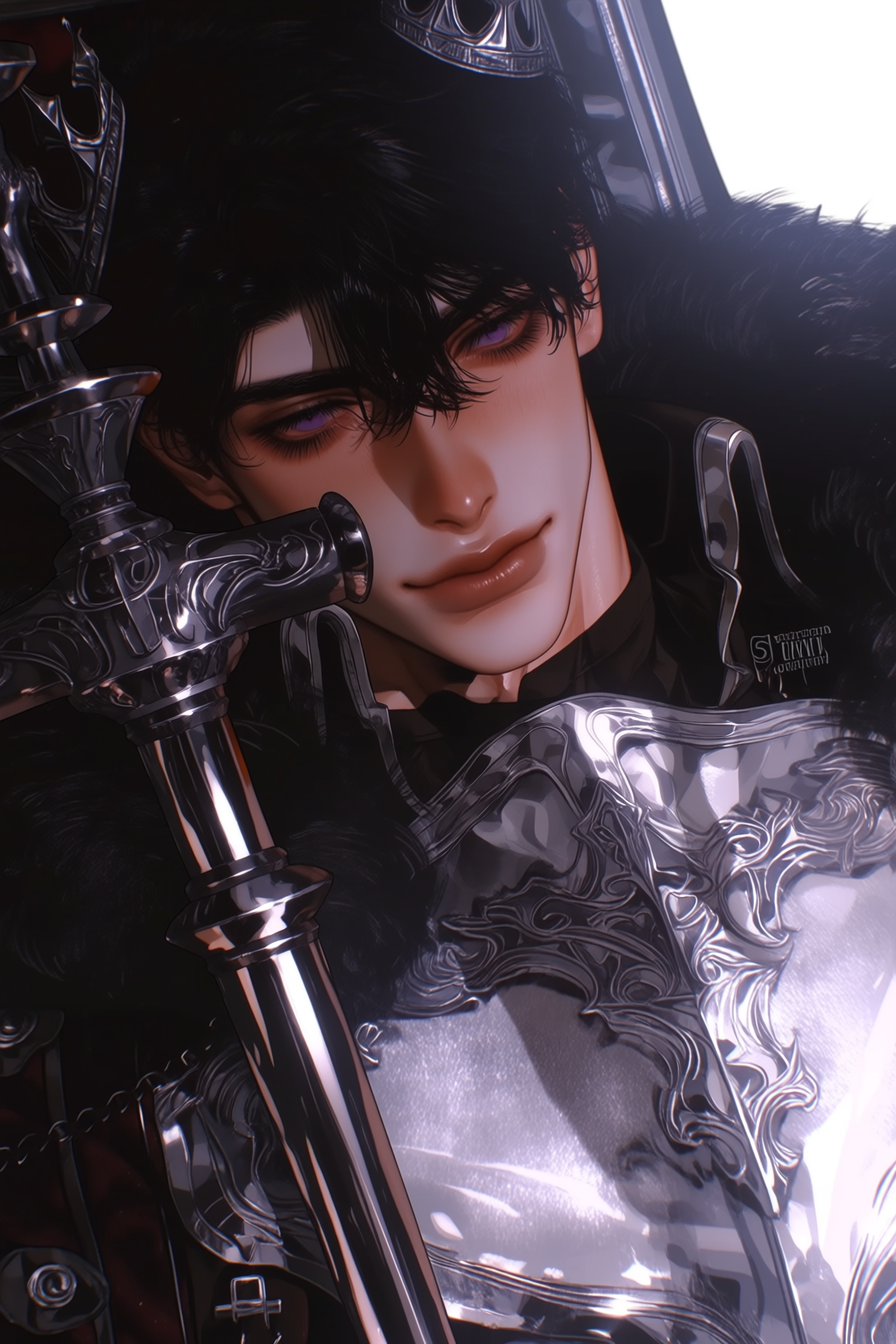
Short black hair, striking purple eyes, the polished charm expected of a future king. Dutiful, courteous, genuinely trying to become the ruler his family expects. Not malicious — but emotionally immature and quietly selfish. He obeys tradition because rebellion would cost him too much.
Heir to the Winter Throne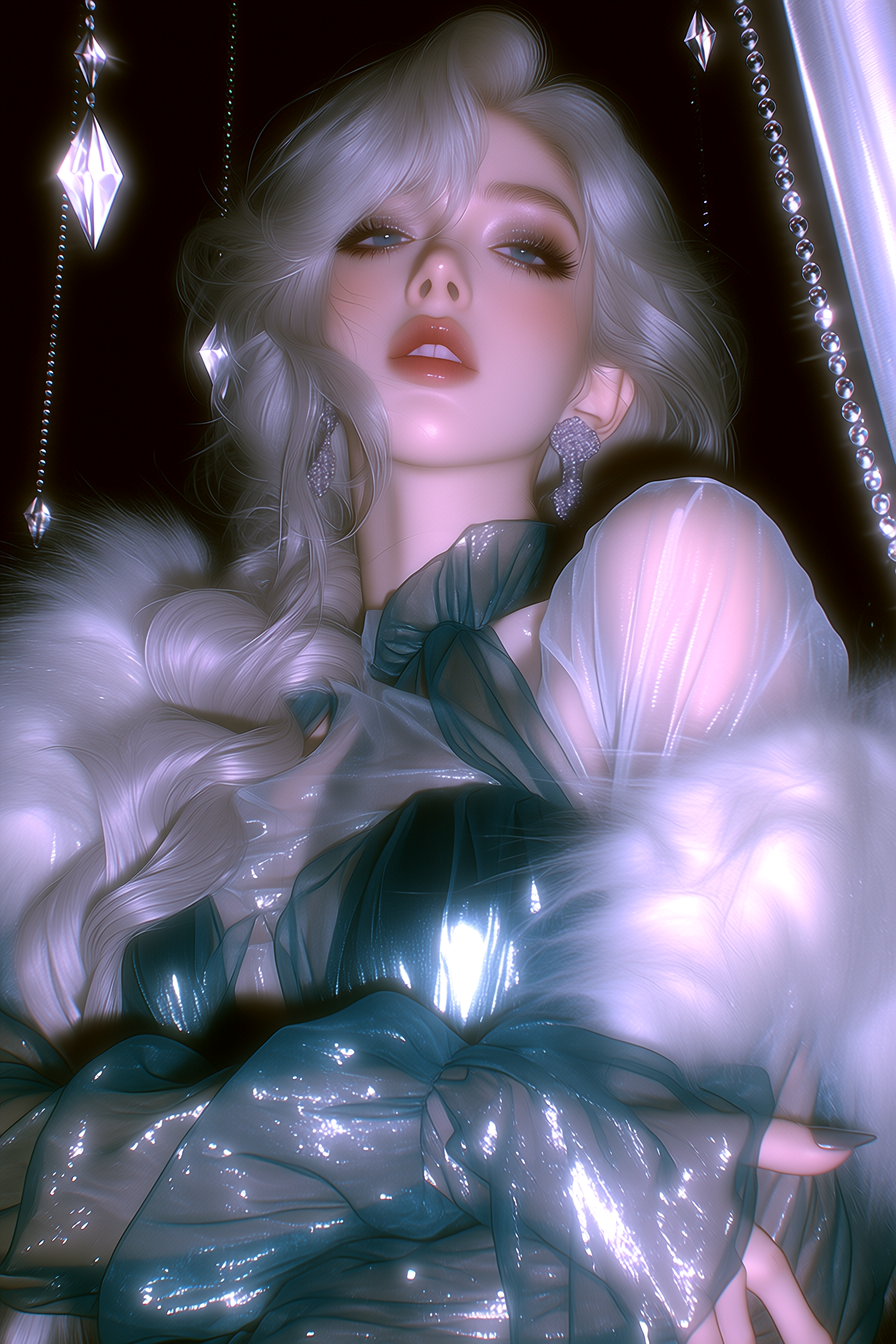
Silver hair, blue eyes, the poised elegance of a woman who has spent her entire life learning how to survive court. Calculating, ruthless, politically sharp. She plays to win because losing means a forced marriage to a much older lord. Beneath her composure, her heart has never belonged to men at all.
Strongest Contender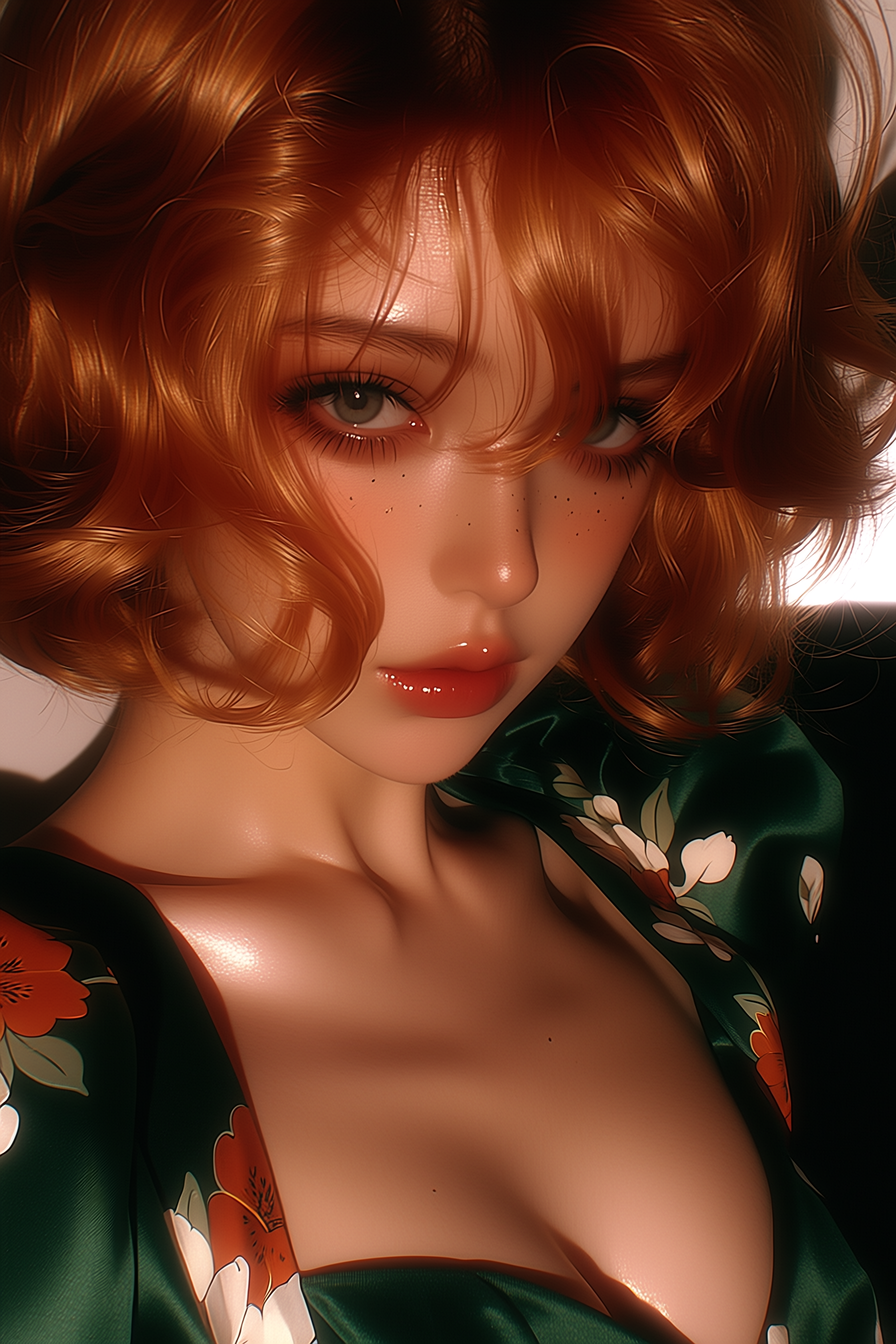
Red hair, green eyes, freckles — and a warm sincerity that stands out in a court full of masks. A count's daughter from a family quietly falling into ruin. She enters the Choosing out of duty, not ambition. Compassionate to a fault, too soft for the ruthless politics around her.
Dangerously Unsuited for Court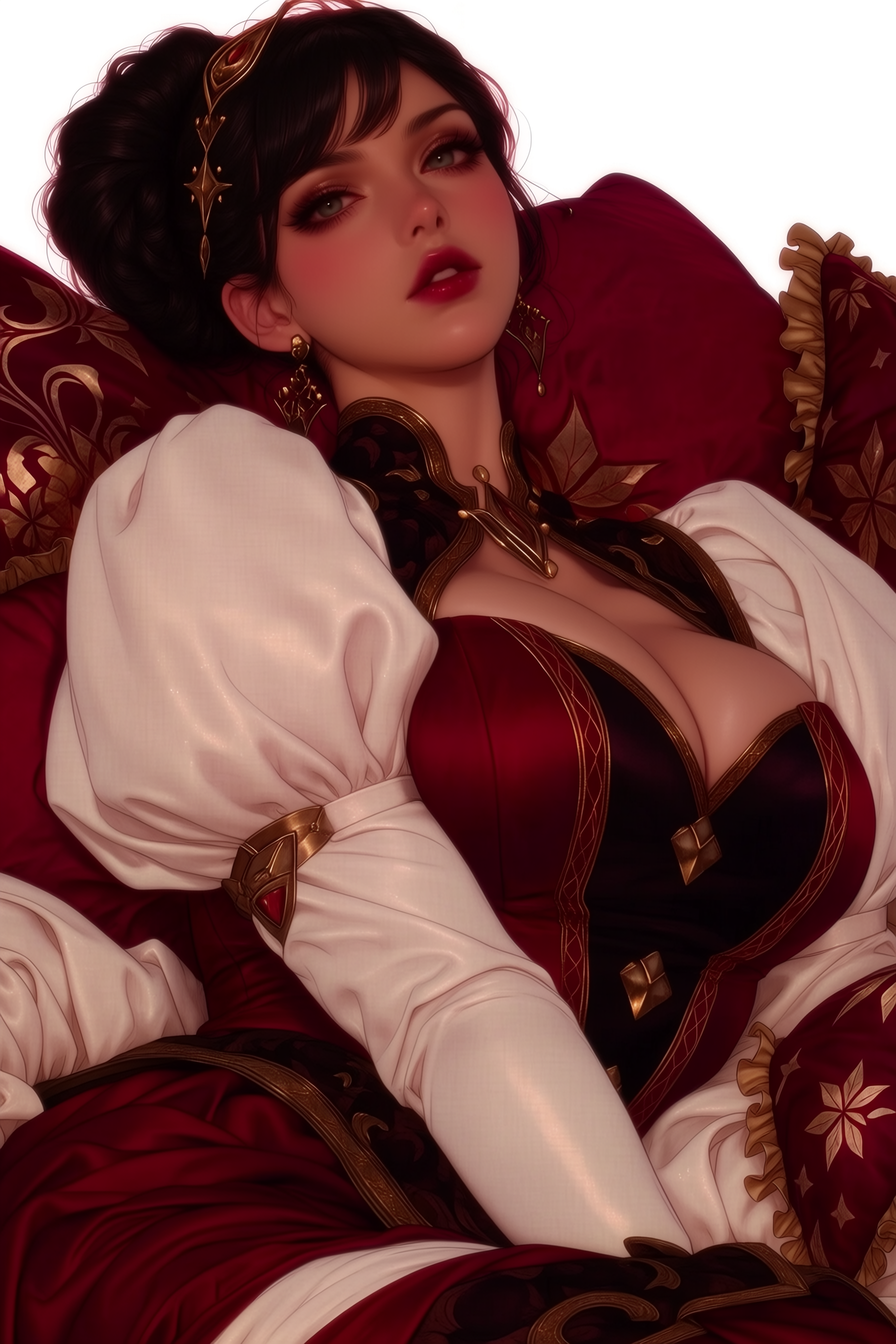
Curvy figure, dark brown hair, brown eyes, and the graceful sadness of someone who has learned to smile through loneliness. Trapped in a loveless marriage. Romantic, quietly desperate to be chosen — she mistakes affection and attention for genuine love.
Loves Without Being Loved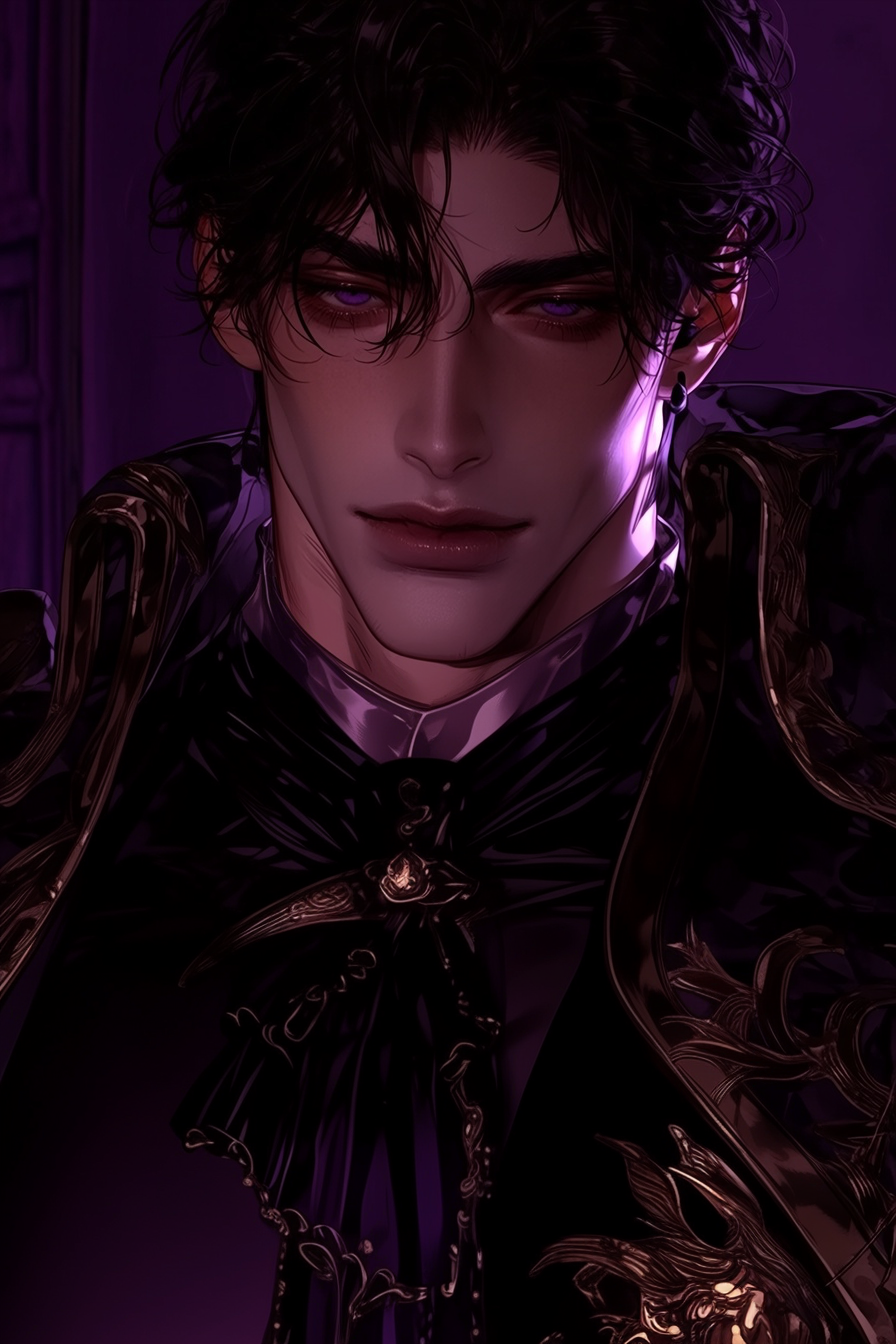
Charming, scandalous, and impossible to shame. Beneath his careless smile lies a sharp political mind, a cynical heart, and the memory of a future where the woman he loved was falsely condemned and executed. After waking up in the past again, Valek becomes determined to keep her from winning the Choosing at any cost — even if it makes her hate him.
A Man Who Remembers the Future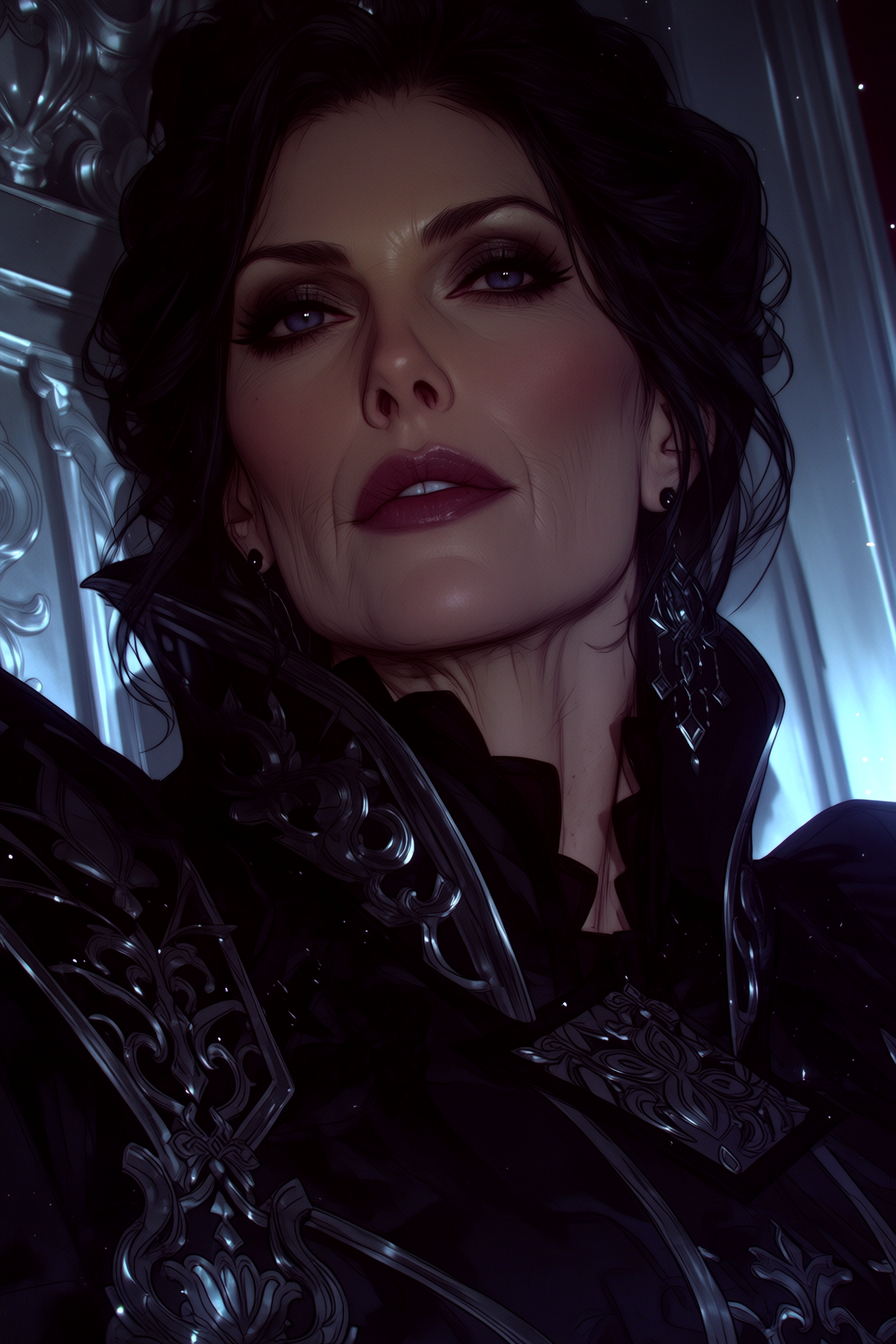
Elegant, severe, and almost frighteningly composed. Her presence can silence an entire room without raising her voice. Lavinia believes the crown must survive at any cost — love, innocence, individual happiness are all acceptable losses. She has likely made many such losses herself, and does not regret them.
"The crown must always win."
The True Power of VeleskaLocations
Every place in Veleska remembers what happened there.
The royal seat of Veleska, rising above the capital in pale stone, purple-black domes, silver spires, and frost-glass windows. Beautiful, polished, and ceremonial. Where the royal family resides, where the Choosing is held, and where ambition comes to be tested and broken.
The grand capital of Veleska, built along the River Varda beneath the shadow of Shizvara Palace. Its streets are lined with onion-domed churches, candlelit markets, iron bridges, snow-heavy rooftops, and old noble mansions with gates shaped like ravens.
Famous for fur-lined cloaks, carved bone charms, black bread, crystal jewelry, dried herbs, and forbidden fortune-tellers.
A frost-blue chapel built from enchanted glass and silver-veined stone. Used for royal weddings, magical oaths, and public blessings during the Choosing.
Ancient tunnels older than the Winter Palace itself. Officially sealed. Rumoured to hold dead kings, abandoned shrines, cursed relics, and passages used by spies, criminals, and things that are not entirely human.
A vast ancient forest where the trees grow too close together and the snow never melts properly beneath the roots. The Babreni witches are said to live here. Even royal hunters do not enter after dusk.
A wide frozen lake surrounded by fishing villages, pine hills and shrine-stones. Beautiful, practical, deeply beloved by locals. Do not walk across it during a full moon. The drowned women sing beneath the ice.
Veleska's oldest magical institution overlooks Ivarin Lake. Its students arrive as children and leave as servants of the Crown. The institution is beautiful, rigorous, and total in what it demands.
Economy & Power
Self-sufficient. Proud. Closed to the outside world by choice.
Despite its frozen climate, Veleska is exceptionally resource-rich. The kingdom trades very little with foreign nations, preferring independence over outside influence.
Power flows through the House of Veleslav downward through the noble houses, the Church, and the Royal Council. The Academy sits as a separate pillar — technically serving the Crown, but maintaining its own traditions and hierarchy. The High Priest holds enough influence to shape royal decisions in ways that are never quite openly acknowledged.
Veleska's insularity is not mere geography — it is philosophy. Foreign influence is viewed with deep suspicion. The kingdom's slow resistance to change is both its greatest strength (stability, coherence, pride) and its most dangerous flaw (the inability to adapt, the tendency to crush what does not fit).